

Recycling is an important part of responsible waste management, but the process begins before materials reach a recycling facility. Waste must first be separated, collected and transported using suitable equipment.
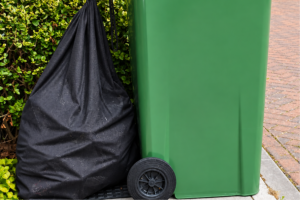
Traditional collection methods often rely on disposable plastic sacks. Once used, these sacks may be thrown away, creating another stream of waste.
A circular waste collection system takes a different approach. Instead of treating the collection bag as a disposable item, it is designed to remain in circulation through a structured process of collection, cleaning, repair and reuse.
U-NET Circular Systems applies this principle to suitable dry waste streams.
Circular waste collection is an approach that aims to keep collection equipment in use for as long as practical. Rather than following a one-way journey from purchase to disposal, the product moves through repeated cycles.
The aim is to retain the value of the collection equipment and reduce the need for continual replacement.
A well-managed system requires more than a reusable bag. It also needs clear collection procedures, suitable cleaning arrangements, maintenance processes and a reliable way to return clean bags to users.
The process begins where waste is generated. Materials are separated according to the organisation’s waste management requirements.
Clear separation can help reduce contamination and make downstream handling easier. Different colours or identification methods can also help distinguish collection streams.
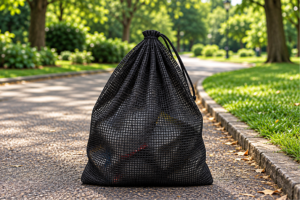
The selected U-NET size is used to collect the designated materials until the bag is ready for collection.
Different sizes can accommodate different operational needs, from smaller collection points to larger-volume applications.
When a filled U-NET is ready for collection, it can be exchanged for a clean bag.
This exchange model is designed to help maintain collection activities without requiring users to wait for the original bag to be cleaned.
The returned bag is assessed and cleaned before reuse. Disinfection may be required depending on the waste stream and operating procedures.
Where suitable, repairs can be carried out to extend the bag’s service life. Bags should only return to use when they meet the applicable cleanliness, condition and safety requirements.
Once prepared, the clean U-NET is returned to the collection system.
The cycle can then begin again, allowing the same collection equipment to serve multiple collection rounds.
One challenge with reusable products is making sure they remain convenient for everyday users.
A collection system that depends on users washing and returning every bag themselves may introduce additional work. An organised exchange process can help simplify this by separating the collection activity from the cleaning and maintenance operation.
For councils, businesses and collection service providers, the process can also create a structured way to monitor bag usage, identify damaged products and plan replacements.
The approach can be considered for several suitable dry waste streams:
Specific applications require appropriate risk assessments and handling procedures. Wet waste, food waste and fluids are outside the intended use of U-NET.
A successful reuse programme should be assessed using practical operational measures, such as:
These measures can help organisations understand whether a reusable system is meeting its operational and environmental objectives.
U-NET is designed around a simple principle: reusable collection equipment should be collected, cleaned, repaired where appropriate and returned to service.
Made from polyester derived from recycled PET plastic, the product combines a fibre-based construction with a system designed for repeated use.
Its four available sizes support different collection requirements, while colour identification and optional QR coding can help organisations organise particular applications.
Circular waste collection is about improving the entire process, not simply replacing one bag with another.
By combining waste separation, collection, exchange, cleaning, repair and return, organisations can explore a more resource-conscious way to manage suitable dry waste streams.
U-NET Circular Systems is helping rethink waste collection, one reuse cycle at a time.