

Keeping streets, parks, footpaths and public spaces clean requires coordinated effort. Local councils often depend on litter-picking teams, community volunteers and environmental maintenance staff to collect waste across a wide area.
The equipment used during these activities is an important part of the process. Disposable sacks can be convenient, but they may need to be replaced after each collection round.
Reusable collection bags offer councils an alternative worth exploring. With a suitable exchange and cleaning system, collection equipment can be designed for repeated use rather than routine disposal.
U-NET Circular Systems brings this concept to litter picking through a model that combines reusable bags with larger collection points.
Litter-picking activities can take place across parks, roadsides, town centres, residential streets and public pathways.
Teams need collection equipment that is practical to carry, suitable for the materials being collected and easy to manage when full.
Where disposable sacks are used, councils may need to maintain a regular supply of replacements. The sacks themselves can also become waste after the litter has been removed.
A reusable approach introduces a different question: how can collection bags be returned, cleaned and reused without making the work more complicated for staff and volunteers?
The U-NET concept uses different bag sizes for individual collection and larger-scale consolidation.
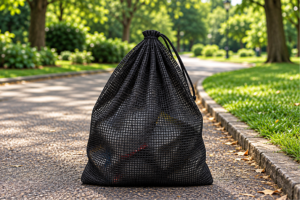
Each litter picker can use a Medium U-NET while collecting suitable dry litter.
The bag is designed to support everyday collection activities, providing an alternative to disposable sacks within an organised reuse programme.
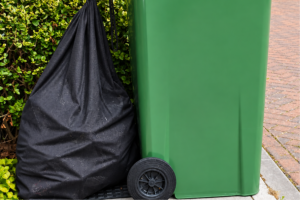
Councils can position an Extra Large U-NET at a designated collection point.
Multiple filled Medium U-NETs can then be consolidated at that location, subject to the council’s handling and collection procedures.
This approach separates individual litter picking from the larger collection process and can provide a clear location for gathering filled bags before collection.
Provide litter-picking staff or participating volunteers with Medium U-NET bags and clear instructions for their designated waste stream.
Users collect the permitted materials while following local waste-handling and safety procedures.
Filled bags are taken to a designated point where the council’s chosen collection arrangements can be followed.
Filled U-NETs are collected and exchanged for clean bags as part of the operating system.
Returned bags are cleaned, inspected and repaired where appropriate before being placed back into circulation.
The exact arrangements can be adapted to the council’s staffing, collection frequency and available facilities.
A reusable collection programme can also benefit from clear identification.
Council branding can help distinguish authorised collection equipment and give the programme a consistent appearance.
QR coding can provide an opportunity to identify individual bags or collection points. Depending on the system implemented, QR codes could support asset identification, collection records and monitoring of bag condition.
For example, a council could use identification records to review how frequently bags return for cleaning, which bags require repair and how collection equipment is distributed across designated areas.
These capabilities depend on the tracking software and procedures adopted alongside the bags.
A reusable collection model may offer several operational advantages when implemented effectively.
The actual financial and environmental benefits depend on factors including the number of reuse cycles, cleaning costs, transport distances, loss rates and the disposable products replaced.
Before introducing reusable bags, councils should assess the type of litter collected, contamination risks, collection routes and cleaning arrangements.
U-NET is designed for dry waste streams and is not intended for fluids or food waste. Any programme should also establish procedures for hazardous or sharp litter, appropriate personal protective equipment and safe handling.
A small pilot programme can help councils evaluate usability, cleaning requirements, durability and operational costs before considering wider implementation.
U-NET Circular Systems offers a reusable collection concept designed to replace single-use plastic sacks with equipment that can be collected, cleaned, repaired and returned to service.
The Medium and Extra Large sizes provide a potential framework for individual collection and consolidation at designated points. Council branding and QR coding are also available to support programme identification and management.
Improving public spaces involves more than collecting litter. It also means considering how collection equipment is supplied, maintained and managed throughout its useful life.
A reusable system gives councils an opportunity to explore a more circular approach, combining practical litter-picking equipment with structured collection, cleaning and reuse.
Discover how U-NET could support a new approach to litter picking and circular waste collection.