

Waste collection is an essential part of everyday life, but the products used to collect waste can create an additional environmental challenge. Traditional plastic binbags and disposable collection sacks are often used once before being discarded, creating a repeated demand for replacement materials.
Reusable waste collection bags offer a different approach. By designing collection products that can be emptied, washed, repaired and returned to service, businesses and organisations can explore alternatives to the single-use model.
U-NET Circular Systems is built around this principle: replace single-use, reuse again.
Plastic sacks are widely used across homes, workplaces, public spaces and commercial environments. They offer convenience, but their short useful life means that replacements are continually required.
When a collection bag is used once and thrown away, the product itself becomes waste, even if the materials it contained are successfully recycled.
This raises an important question: could the collection equipment itself be designed for repeated use?
A reusable system aims to address this issue by extending the useful life of the collection bag and introducing a process for cleaning, maintenance and reuse.
A reusable collection bag is designed to remain in service beyond a single collection cycle. Rather than being discarded after use, it can be incorporated into a managed return system.
The U-NET approach focuses on four principles:
U-NET is designed for repeated collection cycles, helping reduce dependence on disposable plastic sacks.
After collection, the bag can be cleaned before being returned to service, subject to the requirements of the waste stream and cleaning process.
Where appropriate, damaged bags can be repaired instead of immediately replaced, helping extend their useful life.
The system is designed around collection, cleaning, repair and return, keeping the product in circulation for as long as practical.
Reusable collection systems can be considered for a range of suitable dry waste applications, including:
The appropriate bag and handling process depend on the materials being collected. U-NET is designed for dry waste streams, not fluids or food waste.
A reusable bag delivers its intended value through repeated use. That is why the collection and return process matters just as much as the product itself.
A practical system can include separating waste at source, collecting the filled bag, exchanging it for a clean one, cleaning and repairing the returned bag, and putting it back into circulation.
The environmental benefits depend on factors such as the number of reuse cycles achieved, cleaning requirements, transport and the disposable products being replaced. Evaluating these factors helps organisations understand the actual impact of switching to reuse.
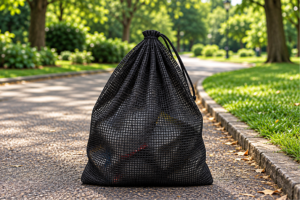
U-NET is a reusable collection system made from polyester derived from recycled PET plastic. Developed through six years of research and development, it offers a fibre-based approach to waste collection designed around repeated use.
With different sizes available, U-NET can support a variety of collection requirements, from smaller collection activities to higher-volume consolidation.
Its central idea is simple: the bag is the starting point, but the wider system creates the opportunity for circular waste collection.
The future of waste management is not only about what happens to waste after collection. It is also about reconsidering the products used to collect it.
Reusable waste collection bags provide an opportunity to move away from repeated disposal and towards a model based on cleaning, repair and continued use.
Discover U-NET Circular Systems and explore a new way to collect waste.